1635 Sismet Rd Unit 6 & 7, Mississauga, ON L4W 1W5, Canada Mon - Sun 8:00 am - 9:00 pm
1635 Sismet Rd Unit 6 & 7, Mississauga, ON L4W 1W5, Canada Mon - Sun 8:00 am - 9:00 pm






A personalized prayer offered to the deity on behalf of the devotee, invoking blessings for health, prosperity, and peace.
A special Puja (worship) or archana (praising/honoring) is a personalized Hindu ritual performed by a priest on behalf of a devotee to invoke blessings. It involves reciting the devotee's name, birth star (Gothra), and family lineage while chanting mantras, seeking specific goals like protection, prosperity, or well-being.
Puja: A more general term for a worship ceremony. In a practical sense, it's often a more formal, "sit-down" ceremony, as noted by sanskrit.org.
Archana: A specific form of Puja where the priest recites the devotee's personal details to offer prayers directly to the deity. It is sometimes considered a more abbreviated or "walk-in" ceremony compared to a full puja, per sanskrit.org.
Personalization: The priest uses the devotee's name, birth star (Gothra), and family lineage to create a direct connection to the deity.
Purpose: It is performed for a wide range of specific intentions, such as seeking divine blessings, achieving a specific goal, or gaining prosperity and well-being.
Method: The priest chants specific Vedic mantras and hymns while reciting the devotee's details. The word "archana" itself comes from a Sanskrit word meaning "honoring" or "praising".
For yourself: Some rituals emphasize the importance of the devotee's personal participation to experience devotion and surrender, even if a priest is also involved, notes Sahaayata.
Through a priest: You can have a special archana performed by a temple priest on your behalf, either in person or sometimes remotely.
Divine blessings: To receive divine blessings for protection, prosperity, and well-being.
Spiritual connection: To deepen your spiritual connection with the divine.
Fulfillment of wishes: To seek fulfillment of wishes and gain peace and positivity.
A floral offering accompanied by mantras, expressing gratitude and reverence to the divine.
Pushpanjali Puja is a Hindu ritual where devotees offer flowers to deities as a sign of reverence and devotion. The word "Pushpanjali" combines "Pushpa" (flower) and "Anjali" (offering with folded hands). This practice is performed during various religious events, with the offering of flowers at the feet of the deity after chanting specific mantras, and is a significant part of festivals like Durga Puja.
Meaning: It is a way to show devotion and seek blessings by offering the beauty and purity of flowers to the divine.
Devotees hold a handful of fresh flowers, sometimes with other items like bilwa (bel) leaves, in their folded hands.
They repeat specific mantras chanted by a priest.
After the chanting, they offer the flowers at the feet of the deity, which is a crucial part of the ritual.
Timing: It is commonly performed during festivals, auspicious days, and specific ceremonies, such as Durga Puja and Saraswati Puja.
Significance: The ritual is considered complete only after the flowers are offered at the deity's feet. It is a fundamental part of many pujas, and for many, the first meal of the day is taken only after completing the Pushpanjali.
In some traditions, devotees wear traditional attire and perform the Puja with their families.
It is customary not to step on the flowers that have been offered.
The ritual often involves a period of fasting, which is broken by sharing prasad or blessed food.
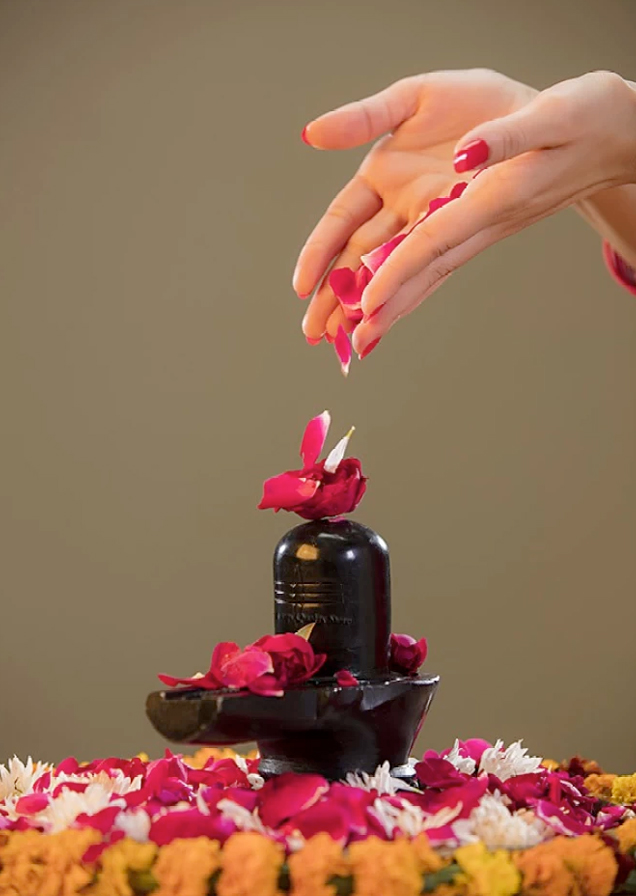
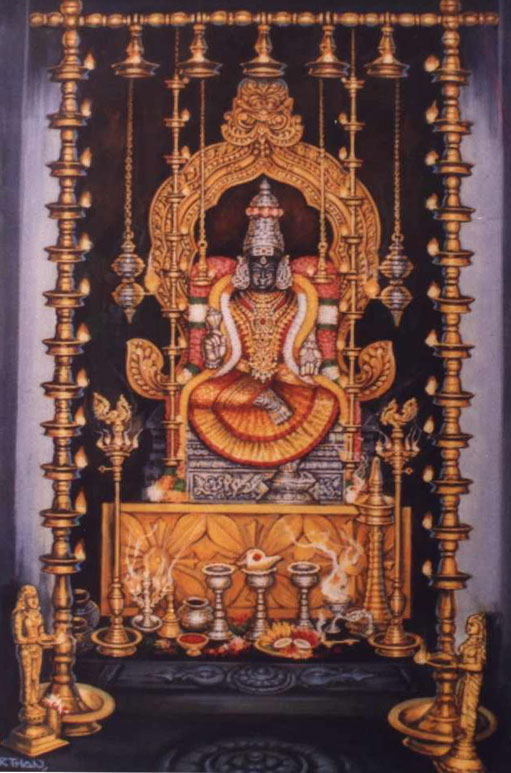
Chanting of the thousand names of the deity, invoking divine grace and spiritual upliftment.
Sahasranama Archana is a Hindu ritual that involves chanting the thousand names of a deity, such as Vishnu, Shiva, or the Divine Mother, while making offerings like flowers or rice. This practice is believed to invoke divine blessings, foster spiritual growth, and bring benefits like prosperity, peace, and the removal of obstacles. It can be performed individually, at temples, or during religious festivals.
A ritual: It is a specific form of worship known as a Puja or ritual.
Chanting the thousand names: The central part of the ritual is reciting the 1000 names (Sahasranama) of a particular god or goddess.
Making offerings: At the same time as chanting, devotees offer items such as flowers, akshata (unbroken rice), or other sacred materials to the deity's image or lingam.
Spiritual upliftment: It is considered a path to spiritual purification and inner transformation.
Fulfills desires: It is performed to attract prosperity, peace, and overall well-being.
Removes obstacles: Devotees believe it helps in overcoming life's challenges and clearing negative influences.
Bestows blessings: Performing the ritual can lead to receiving divine grace, harmony, and protection.
How to perform it (example for Shiva Sahasranama Archana)
Prepare: Find a clean space and set up a Shiva Lingam or image. Light a lamp and incense.
Chant: Recite each name from the Shiva Sahasranama.
Offer: Offer one flower or grain of rice for each name you recite.
Focus: Remain focused and devoted throughout the ritual.
Vishnu Sahasranama Archana: Chanting the 1000 names of Lord Vishnu.
Shiva Sahasranama Archana: Chanting the 1000 names of Lord Shiva.
Lalita Sahasranama Archana: Chanting the 1000 names of the Divine Mother, Amma.